6 Things to Know Before Purchasing a New Boat
Purchasing a boat is an exciting milestone, but it also comes with a lot of moving parts that go beyond picking something that looks good on the water. From understanding your lifestyle needs to evaluating long-term costs, there’s quite a bit to think through before committing. Whether you're brand new to boating or upgrading your current vessel, having a clear plan can make the process smoother and far more enjoyable. According to Boating Industry Magazine, about 85 million Americans go boating each year, which speaks to just how popular—and varied—this lifestyle can be. With the right preparation, your new boat sale experience can feel less overwhelming and more like the beginning of your next great adventure.
1. Define Your Boating Needs and Lifestyle
Before diving into a new boat sale, it’s essential to clearly define how you plan to use your boat. Some buyers prioritize fishing trips, while others envision relaxing cruises with family or towing water sports enthusiasts across the water. Each use case points toward a different type of vessel, so having clarity upfront prevents costly mismatches later. Think about how often you’ll go out, who will typically be onboard, and what kind of experiences you want to create.
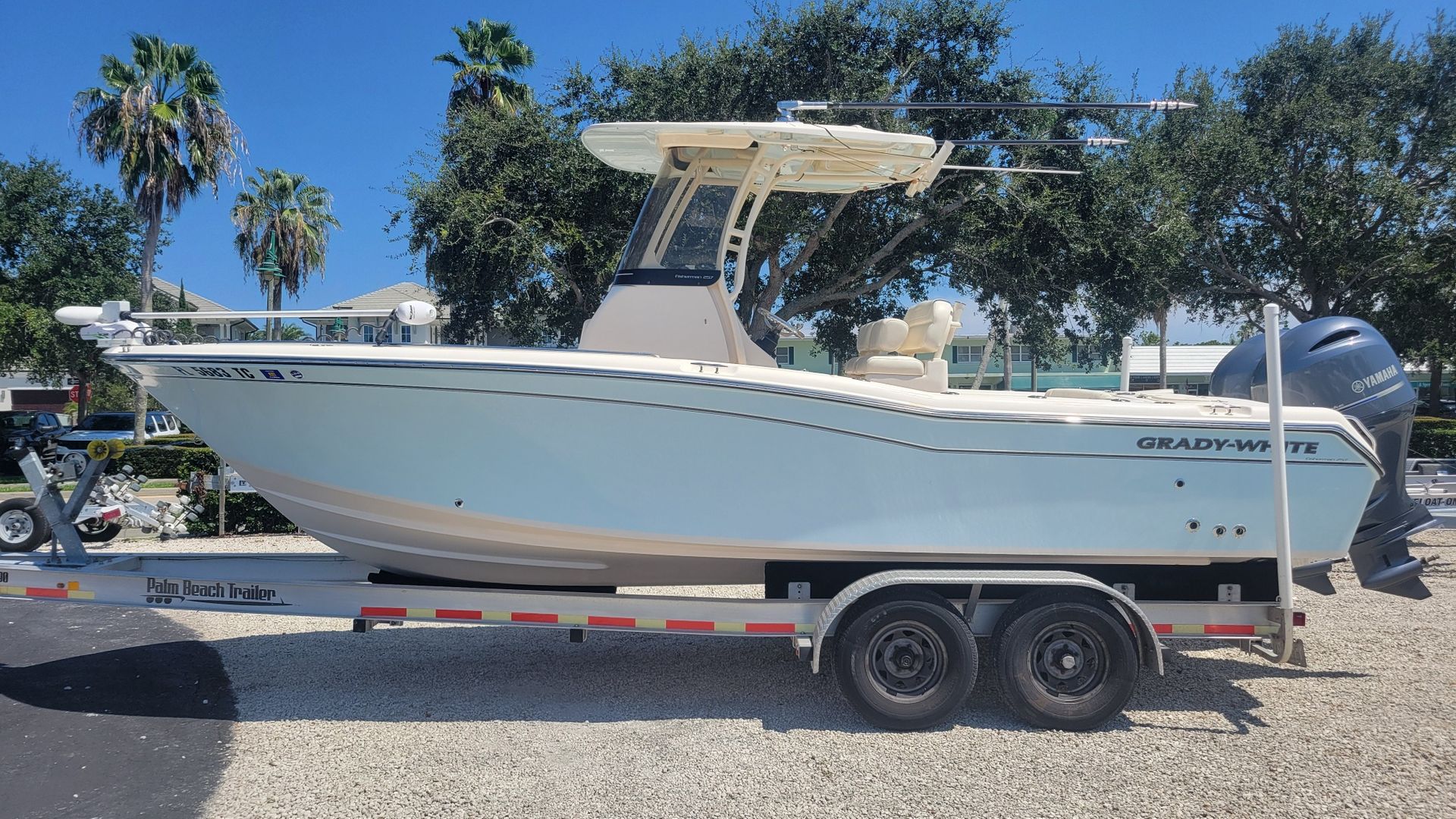
Different boat styles are built for specific activities, which makes this step especially important. For example, center console boats are often ideal for fishing, while deck boats cater more to social outings. Passenger capacity also plays a role, as safety and comfort depend on choosing the right size. Factoring in your typical group size ensures that everyone onboard has a positive experience without overcrowding.
It’s also smart to think a few years ahead. Your interests may evolve, or your family may grow, which could change how you use your boat. Planning for flexibility can help you avoid needing another upgrade too soon. Storage and docking arrangements should also be considered early, as these logistics can influence what size and type of boat makes the most sense for your situation.
2. Establish a Realistic Budget
Set a clear and realistic budget before committing to any new boat sale to avoid financial strain down the line. The purchase price is just one piece of the puzzle, and it can vary widely depending on the size, brand, and features of the boat. By determining your budget early, you can narrow your options and stay focused on choices that align with your financial goals.
Ongoing costs are just as important to account for as the upfront investment. Maintenance, fuel, storage, and insurance all contribute to the total cost of ownership. Even routine care, such as engine servicing or cleaning, adds up over time, so it’s wise to plan for these recurring expenses. Having a buffer for unexpected repairs can also help prevent surprises.
Depreciation is another factor that often gets overlooked. Like most vehicles, boats typically lose value over time, which can impact resale plans. Financing options may help spread out costs, but they also come with interest considerations. Carefully comparing loan terms and payment structures ensures you’re making a financially sound decision.
3. Understand Key Boat Specifications
Learn the essential specifications before finalizing any new boat sale so you can choose a vessel that truly meets your needs. Engine type is one of the most important elements, as it directly impacts performance and maintenance. Outboard engines are popular for their accessibility and ease of service, while inboard engines may offer a smoother ride for certain activities.
Hull design and material also influence how the boat performs in different water conditions. Fiberglass is a common choice for its durability and low maintenance, while aluminum offers a lightweight alternative. The shape of the hull determines how the boat handles waves, speed, and stability, so it’s important to match it to the environments where you’ll be boating most often.
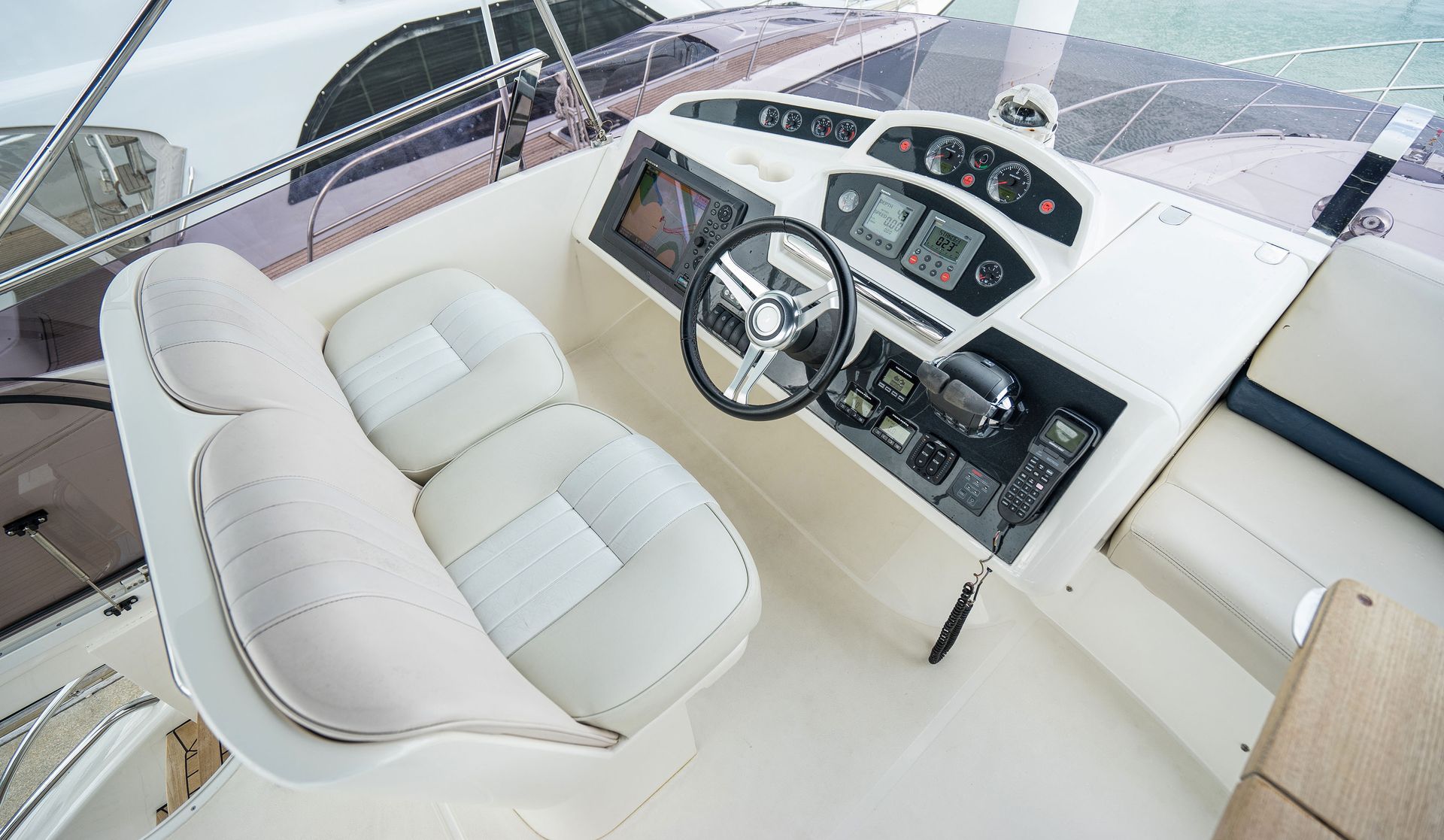
Technology and onboard features can enhance your overall experience as well. Modern boats often include navigation systems, fish finders, and entertainment options that make outings more enjoyable. Safety equipment should never be overlooked, as having the proper gear onboard ensures compliance and peace of mind. Taking the time to understand these details helps you make a more informed decision.
4. Compare New and Pre-Owned Options
Weigh the pros and cons of each option before moving forward with a new boat sale to ensure you’re getting the best value. New boats come with the latest features, updated designs, and manufacturer warranties that provide added reassurance. For many buyers, that sense of reliability and customization is worth the higher initial investment.
Pre-owned boats, on the other hand, can offer significant savings and may include upgrades from previous owners. However, they require a more thorough inspection process to identify potential wear or hidden issues. Hiring a professional surveyor can provide valuable insight into the boat’s condition and help you avoid unexpected repair costs.
Warranty coverage and service agreements are also key considerations. New models often include comprehensive coverage, while used boats may have limited or transferable warranties. Thinking about long-term value and potential resale can guide your decision. Both options have their advantages, so the right choice ultimately depends on your priorities and comfort level.
5. Review Legal and Safety Requirements
Understand all legal obligations associated with a new boat sale to ensure a smooth ownership experience. Registration and documentation requirements vary by location, but they are essential for operating your vessel legally. Keeping your paperwork in order also simplifies insurance processes and future transactions.
Boating licenses and certifications may be required depending on your region and the type of vessel you choose. Even when not mandatory, completing a safety course is highly recommended. These courses provide valuable knowledge that can help you handle emergencies and navigate responsibly.
Safety regulations should always be taken seriously. Proper equipment, including life jackets and signaling devices, is essential for protecting everyone onboard. Environmental guidelines are equally important, as responsible boating helps preserve waterways for future use. Staying informed about these requirements ensures that your boating experience remains safe and enjoyable.
6. Prepare for Long-Term Ownership
Plan ahead for ownership responsibilities after completing your
new boat sale so your investment continues to perform well over time. Regular maintenance is critical, as it keeps your boat running efficiently and reduces the likelihood of major repairs. Following a consistent schedule for inspections, cleaning, and servicing helps extend the life of your vessel.
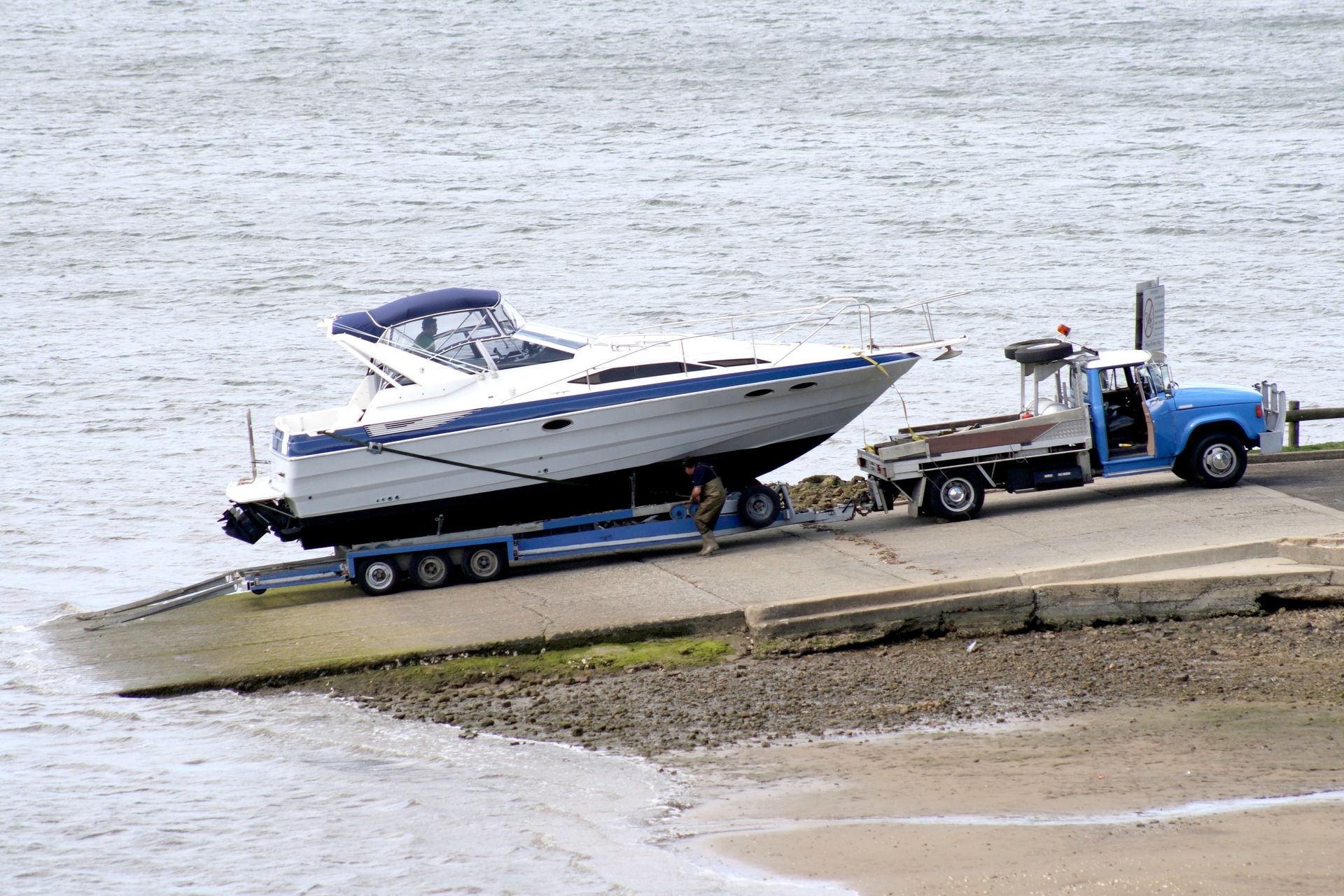
Storage solutions play a major role in preserving your boat’s condition. Whether you choose marina docking, dry storage, or trailer storage, each option comes with its own benefits and considerations. Protecting your boat from weather conditions, especially in coastal or storm-prone areas, is essential for long-term durability.
Connecting with other boaters can also enhance your experience. Local communities and online forums provide valuable advice and support for both new and experienced owners. Planning your outings carefully and building confidence in your handling skills will make each trip more enjoyable. Over time, your boat becomes more than just a purchase—it becomes a gateway to lasting memories on the water.
Owning a boat is about more than just making a purchase. It’s about embracing a lifestyle filled with adventure, relaxation, and connection. By taking the time to evaluate your needs, budget, and long-term plans, you can approach a new boat sale with confidence and clarity. When you’re ready to take the next step, our team at Vero Marine Center is here to help guide you through every part of the process, from selecting the right vessel to keeping it in top condition for years to come.