Essential Pre-Purchase Inspections for Used Boats
Purchasing a vessel is an exciting venture that promises countless adventures on the water. However, before embarking on your nautical journey, it is crucial to ensure that the boat is in tip-top condition. Conducting thorough pre-purchase inspections can help you identify potential issues and assess the overall health of the craft. With proper inspections, you can make informed decisions and avoid unexpected repairs and costs. This guide aims to provide a comprehensive look at essential inspections when navigating a used boat sale.
From inspecting the hull to evaluating the rigging, pre-purchase inspections cover every aspect of a boat's structure and functionality. Each section provides detailed insights into inspecting key components that impact performance and safety. As the boating industry undergoes changes, understanding market options becomes all the more critical. According to the National Marine Manufacturers Association, new personal watercraft and pontoon boat sales were projected at 70,000–75,000 and 52,000–55,000 units respectively, each seeing a 10–13% decline from the previous year. Whether you're buying for leisure or work, making well-informed decisions about your purchase is vital for a safe experience.
Examining The Hull and Primary Structural Integrity
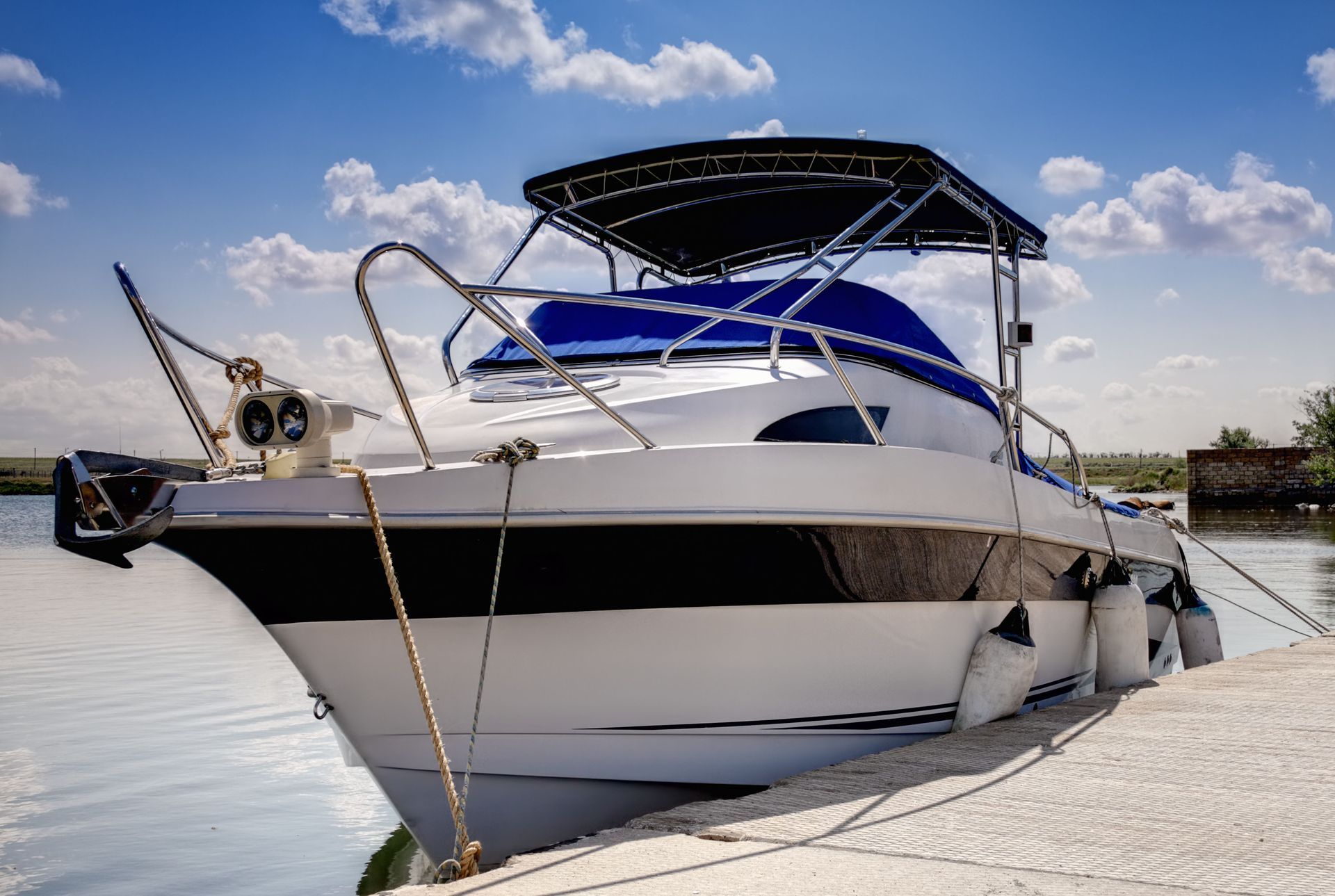
The hull is the backbone of any vessel, bearing the brunt of ocean waves and weather conditions. A visual inspection of the hull should be your first step in assessing a potential purchase. Look for cracks, blisters, or discolorations, as these may indicate previous damage or poor maintenance. Inspect both above and below the waterline to gain a complete perspective of its condition. Pay special attention to areas under stress such as near stanchions or chain plates.
Cracks vary in severity, with superficial gelcoat cracks being different from deeper structural issues. Blisters can appear due to water intrusion and may require expensive repairs if not addressed early. It's important to distinguish between cosmetic defects and significant problems that impact the vessel's integrity. Frequent occurrences of these can imply larger manufacturing or maintenance faults. An expert surveyor can provide clarity if you're uncertain about any findings in this stage.
Osmotic blistering is another concern to watch for, often appearing as bubbles on the hull surface. These blisters are caused by water seeping through the gelcoat and forming pockets beneath. Left unattended, osmotic blistering can compromise the hull's strength and longevity. By catching blisters early, you can avert structural damage and reduce repair costs. An inspection using appropriate tools like a moisture meter can help in accurately identifying these issues during a used boat sale.
Testing The Engine and Primary Mechanical Systems
Assessing the engine is a cornerstone of the process, as it heavily influences reliability and value. Begin by examining the engine and related components for visible leaks or signs of wear. Testing engine compression provides insight into its condition and performance capabilities. Look for a consistent push in all cylinders, as discrepancies may indicate internal damage. Seek assistance from a marine mechanic to carry out advanced diagnostics if necessary.
During a sea trial, observe the engine's responsiveness and performance across different speed ranges. Note any unusual noises or vibrations, as these often signify mechanical issues. Checking engine hours and maintenance records offers context on its longevity and previous treatment. A history of regular servicing suggests a responsible previous owner, reducing chances of unforeseen repairs. Thorough engine assessment ensures peace of mind, safeguarding you from potential propulsion downtimes.
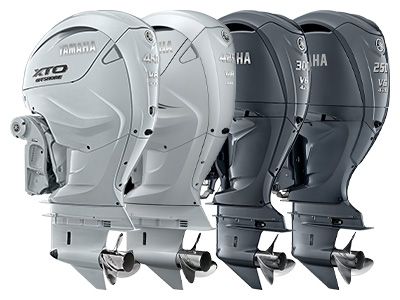
Engines should operate smoothly without emitting excessive smoke or odors. Examine oil quality; contamination or discoloration may indicate mechanical health issues needing prompt attention. Understanding engine nuances assists in avoiding costly mistakes, necessitating in-depth evaluations before finalizing a used boat sale. If investing in a non-inboard engine, include examination of outboard components for robustness and capacity. Ensuring mechanical systems are in peak condition contributes significantly to the vessel’s reliability.
Assessing The Fuel and Onboard Exhaust Systems
Inspecting the fuel system is vital to ensure the craft operates safely and efficiently. Check the fuel tank for any indications of corrosion or leakage, both of which can lead to hazardous situations. Lines connecting the tank and engine must be intact, free from cracks, brittleness, or loose fittings. Nearby electronic and exhaust systems should avoid fuel contact as a safety precaution. Any faults found during this appraisal require immediate correction before the boat enters operation during a used boat sale.
Analyze the condition of fuel filters and separators as part of an optimized system routine. These elements maintain clean fuel flow and prevent engine deposits from interfering with peak performance. Water separators rid the system of moisture that can degrade both fuel quality and engine efficiency. Regular replacement and service records provide assurance of proper care over time. Evidence of deterioration or obsolescence entails considering advanced system repair or replacement options.
The exhaust system plays an integral role in directing the discharge of engine fumes safely away. Inspect for cracks, rust, or loosened components that could lead to leakage and potentially compromise safety and performance. A defect in the exhaust system can permit fumes to seep into occupied areas, affecting passengers' wellbeing. Ensure that connections to the engine are secured, preventing exhaust emissions from escaping into unwanted spaces. Efficiently functioning mufflers are vital, substantially mitigating noise pollution during voyage operations.
During inspection, evaluate backpressure levels that influence engine function and efficiency. Excessive backpressure can impact engine performance, causing it to strain and consume more fuel. Evaluate the system’s insulation quality to ascertain effective thermal dissipation, averting overheating and possible damage. Note any signs of water intrusion combining with exhaust emission, a result from instances like faulty risers. Addressing these concerns prevents corrosive actions against delicate engine parts.
Evaluating The Cooling and Thermal Regulation Systems
A boat's cooling system regulates engine temperatures by dispersing heat produced during active operation. Examine this system meticulously to confirm its operational health in maintaining optimal engine temperature levels. Inspect coolants for depletion and quality to mitigate chances of overheating and consequential damages. Radiators and circulation pumps should function effectively, as failures here directly compromise engine integrity. Ensure the presence of physical barriers between coolant elements and exhaust gases for optimal safety considerations.
The functionality of hoses, connections, and gaskets within the cooling system deserves careful scrutiny. Confirm the absence of blockage or kink that might restrict flow, negatively impacting efficiency. Investigate any sources of abnormal noise, an indicator potentially pointing to mechanical inefficiencies. Replacing any aged or worn-out components enhances preventive maintenance, forestalling serious complications down the line. Documented service history offers insight into the past performance and care of the system, guiding future needs.
Regularly flushed and replaced, coolants assure optimal thermal regulation with careful attention on environmental effects. Maintaining cooling system efficiency optimizes overall engine performability and sustainable operation. Inquire into historical equipment alterations or upgrading to appreciate inherent capabilities. Engaging professionals for comprehensive system analysis provides deeper detail, facilitating educated decision outcomes. A top-notch cooling system remains a vital pillar to efficient and enjoyable marine endeavors.
Inspecting The Safety Equipment and Onboard Hardware
The final pillar of a thorough inspection involves the hardware that keeps you safe and the boat functional. This includes everything from the bilge pumps to the cleats and railings that line the deck. You should manually test every bilge pump to ensure they activate and successfully move water out of the hull. A failure here is more than a nuisance; it is a critical safety risk that should be addressed before the boat ever leaves the trailer or slip.
Hardware like cleats, windlasses, and rails should be checked for secure mounting. If a cleat feels loose, it could be a sign of a rotting core in the deck or simply a nut that needs tightening, but it must be investigated. Railings need to be rock-solid to provide the necessary support for passengers moving about the vessel. Rust or pitting on stainless steel hardware might be cosmetic, but deep corrosion can weaken the metal over time, leading to failure under load.
When you have finished these steps, you will have a much clearer picture of whether the vessel is right for you. Buying a boat is about finding that perfect balance between the dream of the open water and the reality of mechanical upkeep. By staying diligent and following a structured inspection routine, you can step onto your new deck with total confidence. If you are ready to take the next step in your maritime journey, visit Vero Marine Center.