What to Look for in a New Boat
Vacation time is often limited, making it valuable to have options that allow you to make the most of every day away from home. For people who enjoy spending time on the water, owning a boat can create opportunities for recreation, exploration, and relaxation that are difficult to replicate with traditional travel arrangements. Instead of planning every activity around available rentals or scheduled tours, boat ownership can provide greater freedom over where and when you spend your time.
Local boat sales can also make the buying process more convenient by giving prospective owners access to boats suited to the waterways, climate, and recreational activities in their area. Whether you are interested in fishing, cruising, watersports or simply spending summer afternoons on the water, choosing the right boat can expand your vacation possibilities.
Why Consider Boat Sales for Your Vacation?
One of the biggest advantages of purchasing a boat is the independence it can provide. When you own a boat, you do not have to arrange a rental every time you want to get on the water. You can keep your boat ready for use and plan outings according to your own schedule.
Boat ownership can also make familiar vacation destinations feel different. A lake, river, or coastal area can offer numerous coves, islands, beaches, and waterfront communities that are difficult to experience from land. Having your own boat makes it possible to visit places that may otherwise require lengthy drives, tours, or other transportation.
Local boat sales can be particularly useful because nearby dealers may understand the types of boats that work well in regional waters. A boat designed primarily for large lakes may have different characteristics from one intended for coastal cruising, for example. Local knowledge can help buyers consider factors such as hull design, storage requirements, and seasonal conditions.
The broader boating industry also contributes substantially to the economy surrounding recreational activities. According to Dream Yacht Sales, the marine recreation infrastructure includes more than 36,000 businesses and supports over 812,000 jobs across the United States. This illustrates how extensive the recreational boating market is and the variety of services available to boat owners.
How to Choose the Right Boat for Your Needs
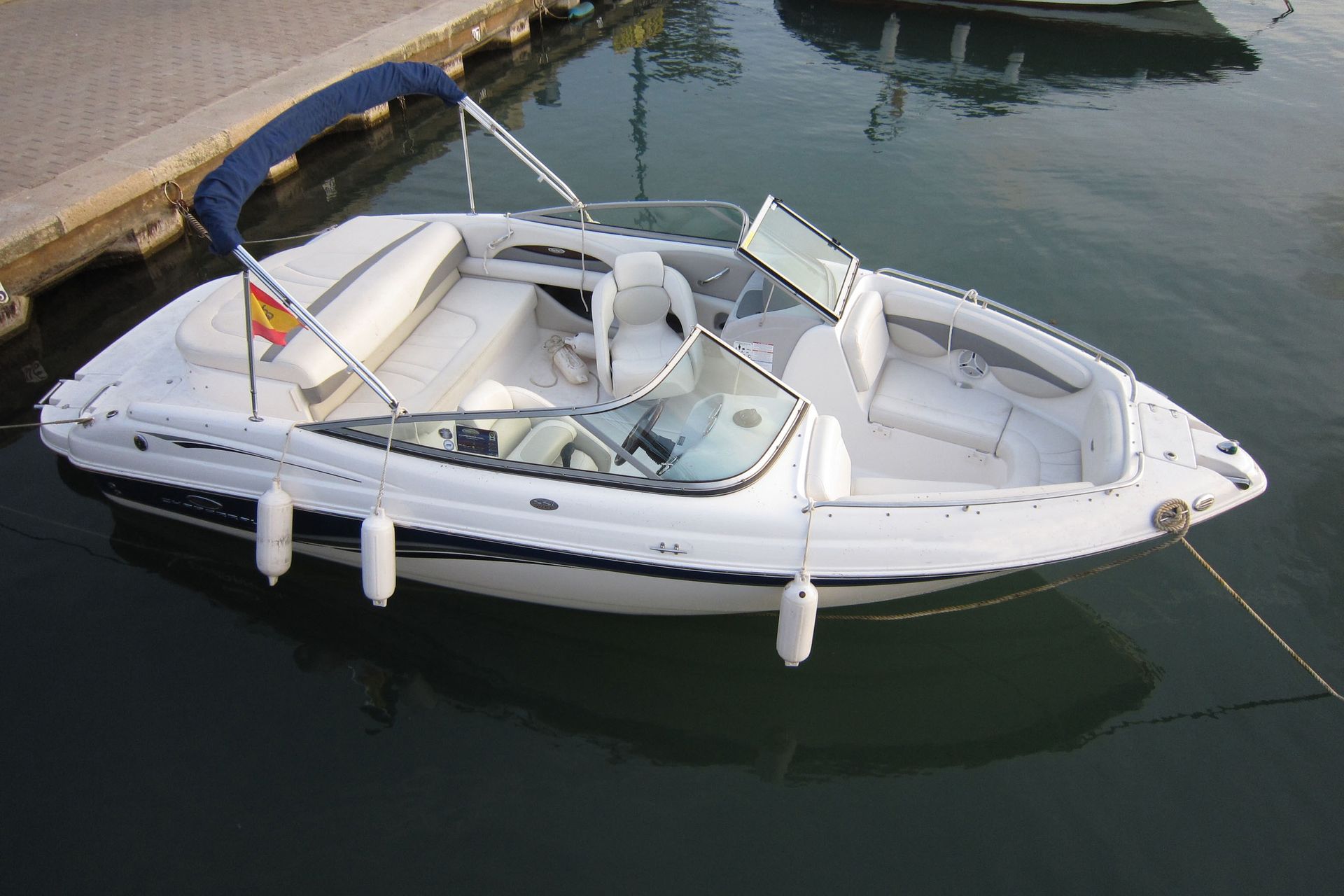
The right boat depends largely on how you expect to use it during vacations. Before visiting a dealer, consider the activities you enjoy most. Someone interested in fishing may prioritize deck space, storage and stability, while a family interested in cruising may place greater emphasis on seating, comfort and onboard amenities.
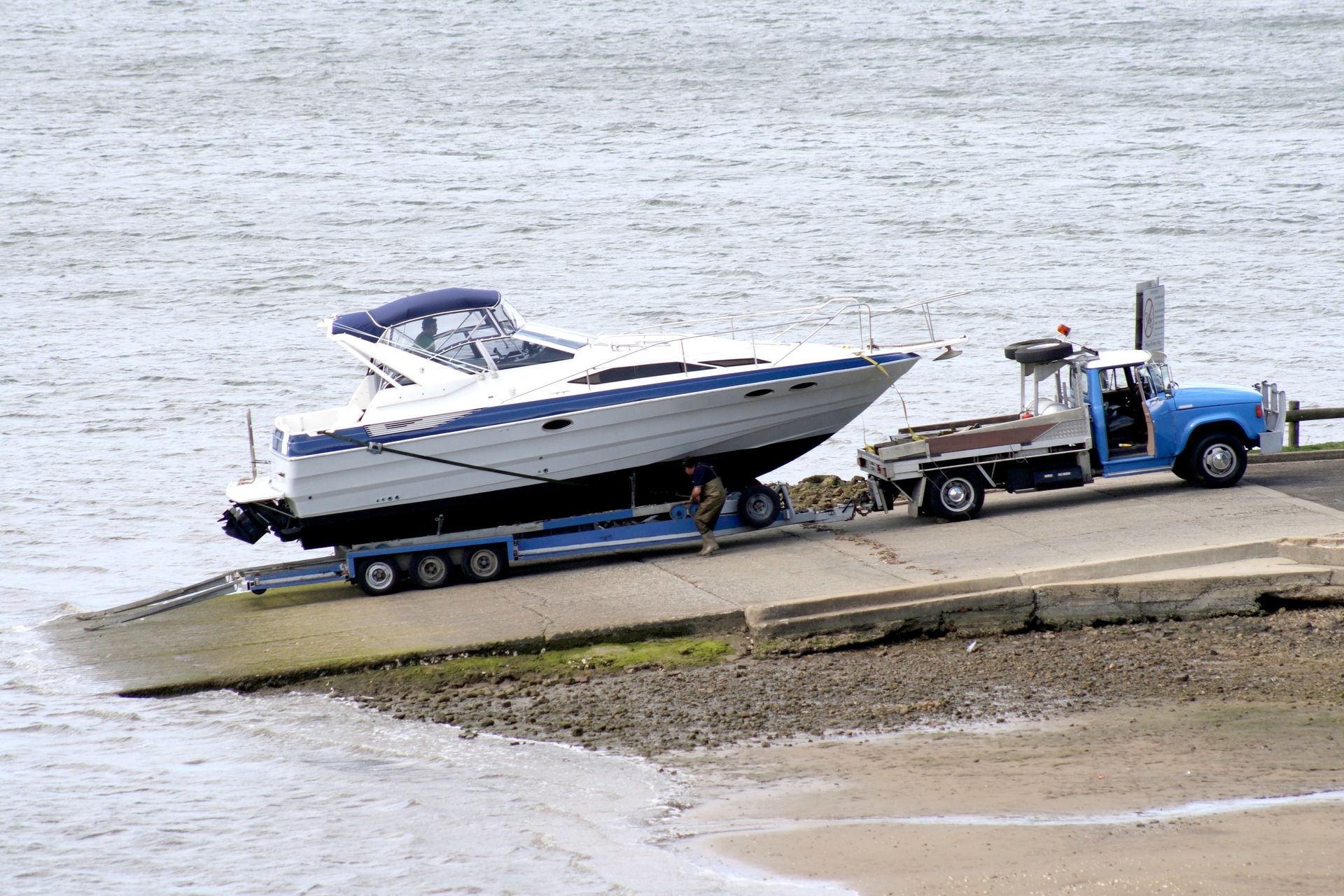
Boat size is another important consideration. Larger boats can provide additional space and comfort, but they may require more expensive storage, transportation, and maintenance. Smaller boats can be easier to launch and maneuver, potentially making them more practical for owners who visit several different bodies of water.
Your budget should include more than the purchase price. Insurance, registration, fuel, storage, maintenance, and equipment can all affect the long-term cost of ownership. Taking these expenses into account before reviewing boat sales can help you establish a realistic price range.
It is also worth considering how many people will typically join you. A boat that comfortably accommodates two people may not be appropriate for a family or group of friends. Think about both your normal outings and the occasional larger gathering when evaluating capacity.
What Are the Financial Implications of Buying a Boat?
Buying a boat is a significant financial decision, but the value extends beyond the initial transaction. A personal boat can potentially replace some rental expenses over the years, particularly for owners who spend considerable vacation time on the water. However, ownership also introduces recurring costs that should be included in the overall budget.
Maintenance is one of the most important ongoing expenses. Boats can require regular engine service, cleaning, inspections, winterization, and repairs. The specific costs depend on the type of boat, its age, and how frequently it is used. Owners in colder climates may also need to budget for seasonal storage and preparation.
Fuel costs can vary considerably based on the vessel and how it is operated. A larger boat with a powerful engine generally consumes more fuel than a smaller recreational craft. Understanding expected fuel consumption can help prevent surprises during longer vacations.
Depreciation should also be considered. Like many recreational vehicles, boats can lose value over time, although the rate varies depending on age, condition, brand and market demand. Keeping detailed maintenance records and taking care of the boat can help preserve its condition and potentially improve its appeal when it is eventually sold.
For these reasons, comparing multiple boat sales listings and understanding the total cost of ownership can be more useful than focusing solely on the advertised purchase price.
Where Can You Find Trustworthy Local Boat Sales?
Finding a reputable seller is an important part of the purchasing process. Local dealerships can provide an opportunity to inspect boats in person, ask questions, and compare different models. A knowledgeable dealer may also be able to explain differences between boats based on the local waterways and typical recreational uses.
When evaluating boat sales, look for sellers who provide clear information about a vessel's condition, specifications, ownership history, and included equipment. For used boats, ask about maintenance records and previous repairs. A marine inspection may also be worthwhile before completing a purchase, particularly for an older or more expensive vessel.
Online marketplaces can provide another way to compare available boats. However, buyers should verify listings carefully and avoid making assumptions based solely on photographs or brief descriptions. Seeing the boat in person can reveal issues that are difficult to identify online.
Local marinas and boating communities can also be useful sources of information. Experienced boaters may know which dealers have strong reputations for customer service and which service facilities are dependable after a sale. Building these local connections can make boat ownership easier long after the purchase.
What Are the Legal Requirements for Owning and Operating a Boat?
Boat owners must follow applicable federal, state, and local requirements. Registration is commonly required for recreational vessels, although the specific rules vary depending on the state and type of boat. Owners should verify the requirements where the boat will primarily be operated rather than assuming regulations are identical everywhere.
Operator requirements can vary as well. Some states require certain boaters to complete approved safety education or carry specific documentation, particularly for younger operators. Understanding these requirements before taking possession of a boat can help prevent avoidable problems.
Safety equipment is another essential consideration. Depending on the vessel and location, requirements may include properly sized life jackets, visual distress signals, fire extinguishers, navigation lights and other equipment. Even when an item is not legally required for a particular situation, carrying appropriate safety gear is an important part of responsible boating.
Owners should also understand local rules regarding speed, restricted areas, fishing, anchoring and environmental protections. Regulations can differ between lakes, rivers, and coastal waters, so checking local guidance before a trip is worthwhile.
Local
boat sales can provide a pathway to more flexible and rewarding vacations for people who enjoy spending time on the water. Owning the right boat can eliminate some of the scheduling limitations associated with rentals while opening access to new destinations and activities.
The key is choosing a vessel that fits your intended activities, passenger capacity, and budget. By accounting for maintenance, storage, fuel, insurance, and other ownership expenses, you can make a more informed purchasing decision. Researching reputable local sellers and understanding applicable boating regulations can further simplify the process.
With careful planning, a boat can become more than another recreational purchase. It can serve as a tool for exploring nearby waterways, creating new traditions with family and friends, and turning ordinary vacation days into opportunities for adventure. If you're looking for a boat, reach out to the team at Vero Marine Center today!